The BBC gets a lot of abuse these days, and it deserves every last atom of it, but it is worth remembering what the BBC can do when it is (or at least was) not attempting to re-model Britain into one big Micky Mouse Marxist Utopia.
BBC programmes were everywhere through my childhood and (until recently) adult life. It’s almost impossible to overstate the cultural influence of the BBC and hard to imagine postwar Britain without it. It says a lot that in recent years I only watch BBC prgrammes online or in DVD, picking the best from their past.
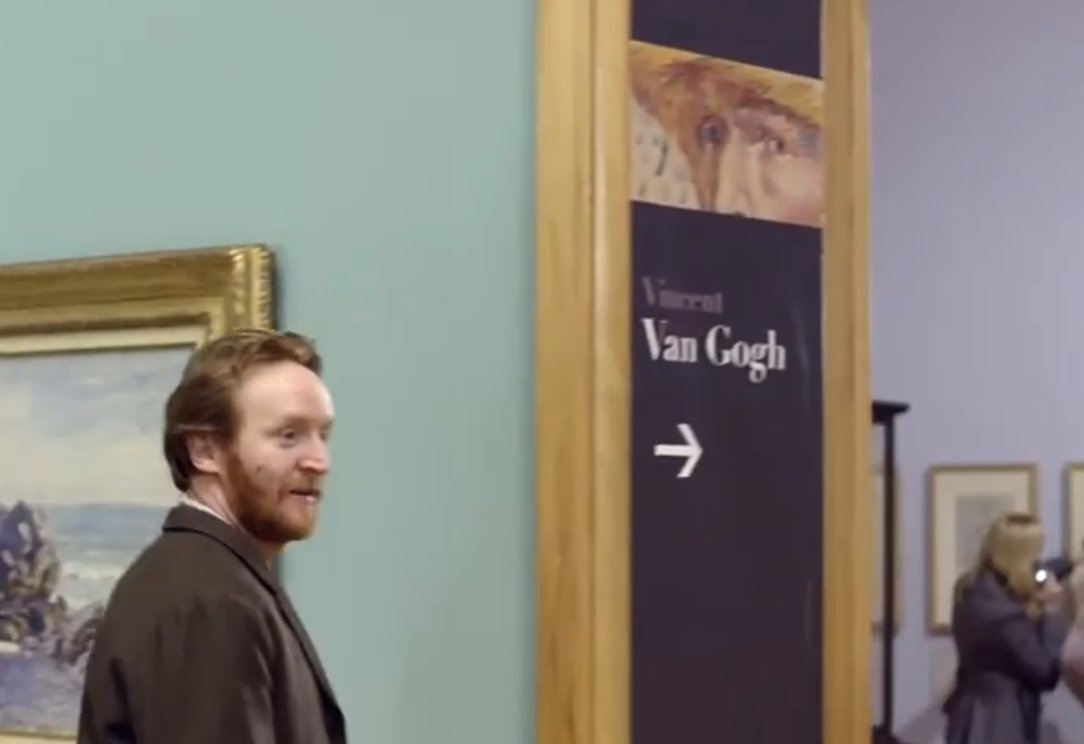
This clip is from the Matt Smith Dr Who. I grew up in the Pertwee/Baker/Davidson/Baker period and I never really came to terms with Sylvester McCoy, much less the new incarnations. I came cross this while rumaging around in the YouTube undergrowth. It’s a decade old now, and I doubt would be made today, focussing as it does on a dead white male whose work is of great importance to Western and World culture. It also includes the use of he term A.D., rather than C.E for dating…tut tut, no doubt the BBC will dub that out in future…
It is a truly beautiful scene, with the excellent Tony Curran playing Vincent Van Gogh, the famously tortured artist who effectively ended his own life thinking he was a failure. Bill Nighy is the art historian. I’ll say no more than that, but if you are susceptable to tear jerking, you might want to have a hanky ready.
4 replies on “When the BBC gets it right…”
It’s hard to see the BBC as in any way part of what it was a number of years ago. Like any corporeal form, the cells that make it up have all been replaced.
Perhaps a better analogy is the broom where the stale and head have been replaced numerous times; and we’re only just waking up to the fact that this is no longer the same broom.
Just for the record, Tom Baker will always be my favorite doctor. ❤️❤️
The BBC has had some good stuff over the years, I’ve enjoyed it myself…
My Dr Who watching days, though, were about 35 years ago!
I see Auntie Beeb has suffering from Sel-Inflicted Alzheimers.
Now and again she has those moments of Cogency, when you see a glimpes of what she was once capable of.
Moments like that are what makes Alzheimers such a terrible disease.