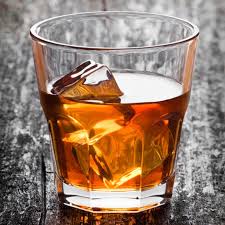
Hello my fellow BWDC friends! Here I am again, blogging about a hobby I’ve been into for the past couple of years. I wanted to talk about my first whiskey love: bourbon.
For those who aren’t terribly familiar with the whiskey world, all bourbons are whiskies, but not all whiskies are bourbons. Now, bourbon was how I started getting into the whiskey world. I think that one of the reasons why I started with bourbon and will always enjoy bourbon is that it is an all ‘Murican spirit! No, legit, in order for bourbon to be called and sold as bourbon it must be made in the great ol’ US of A baby! Though a common misconception the general populace has about bourbon is that they think bourbon must distilled and aged in Kentucky. While Kentucky is a great place to make bourbon, it does not have to made there.
So, let’s go over some of the rules for making bourbon.
1. It has to be made in the USA.
2. The mash bill (basically the recipe for the whiskey) must be made up of AT LEAST 51% corn. So, in case people don’t know what whiskey is, whiskey is a distilled grain spirit. Doesn’t matter what type of grain it is, it can be called whiskey if you distill it from a grain. So corn is the dominant grain in any bourbon, which tends to leave it to be a bit sweeter than some other whiskies.
3. Cannot be distilled above 160 proof (80% alcohol by volume). The reason for this is because once you start getting above that proof, you start stripping the flavors of the bourbon (and whiskey in general) and it starts to become more of a vodka. And as the great Ron Swanson once said “Clear liquors are for rich white women on diets”. Now, this is before the whiskey is aged. At this stage, the distilled whiskey will look like vodka. It’s a clear liquid, but smells more like yeast and bread rather than hand sanitizer. This clear liquid is called “White Dog”, and some distilleries will sell just the clear liquid. In fact, this past year, my father had purchased some white dog, and aged it in his barrel. Which leads to the next rule.
3. This is the point where the clear liquid will then be put in the barrel to age. At this point, there are two very important rules in order for your whiskey to be called bourbon. In regards to the actual liquid, the liquid has to be proofed down to at max 125 when going into the barrel. In regards to the barrel in which the liquid is being aged in, it has to be a brand new, charred oak barrel. Now another misconception the general populace has is that it has to be a white oak barrel. It does not have to be white oak, but the barrel does have to be brand new. Which means nothing has been been aged in the barrel prior to the bourbon being aged in it. So, brand new, charred, and oak.
4. So now you have your whiskey, proofed down to at max 125, in a brand new charred oak barrel. So how long can you age your whiskey in this barrel before you can call it a bourbon? Is it one day, six months, one year, two years, four years, eight years, twenty years? Well technically, it depends on what the distillery labels its bourbon as. In order for a distillery to label its bourbon as “Straight Bourbon Whiskey” it has be aged for at least 2 years. Also, distilleries have to put an age statement (how long the bourbon has been aged) on their labels if it was aged less than 4 years. So, technically, as long as you aged your whiskey in a brand new, charred, oak barrel for a day, you can call it bourbon. Just as long as you label your bourbon as such. Another way for distilleries to label their bourbon is “Bottled in Bond”. In order for the distillery to label their bourbon this way, the bourbon has to be aged in a warehouse where is was bonded by the federal government. So basically, the government is guaranteeing the authenticity of the bourbon. Now, it doesn’t have to be aged in one of these warehouses in order to be called bourbon, just as long as the distillery doesn’t put on their label “Bottled in Bond”.
5. Alright, you’ve aged your bourbon for however long you wanted to age it. The question now is, at what proof do you bottle your bourbon in. Well, it cannot be bottled below 80 proof (40% alcohol by volume). And that’s it!
So, there are a whole bunch of different things I did not cover. Things such as, what other ingredients go into a mash bill, why Kentucky is one of the better places to make bourbon, and more importantly, what’s the best way to enjoy bourbon.
As always, please suggest some of your favorite whiskies so I can (selfishly) try and enjoy!
Stay tuned for the next installment of “A Whiskey Blog: Bourbon” for part 2!
2 replies on “A Whiskey Blog: Bourbon Part 1”
Fascinating. I had a rough idea of the process, but didn’t know the specfics of the Bourbon process distinct from general Whiskey. Also hadn’t heard of the term ‘white dog’ for the clear liquor.
Bourbon is actually one of the most regulated spirit in terms of how its made. It has a really fascinating history, which is truly tied to American history as well. This is one of the reasons I really enjoy bourbon, just from the historical point of view.
And yeah, you can purchase white dog from your local liquor store if they carry it. I got my dad a personalized tiny barrel (like a liter barrel I think) and he bought some white dog, and aged the whiskey for about 3 months. The aging process is much quicker in a smaller barrel. So he technically aged his own bourbon, but obviously we only enjoy in the family. But he does have another white dog in the barrel, but it can’t be called bourbon this time.