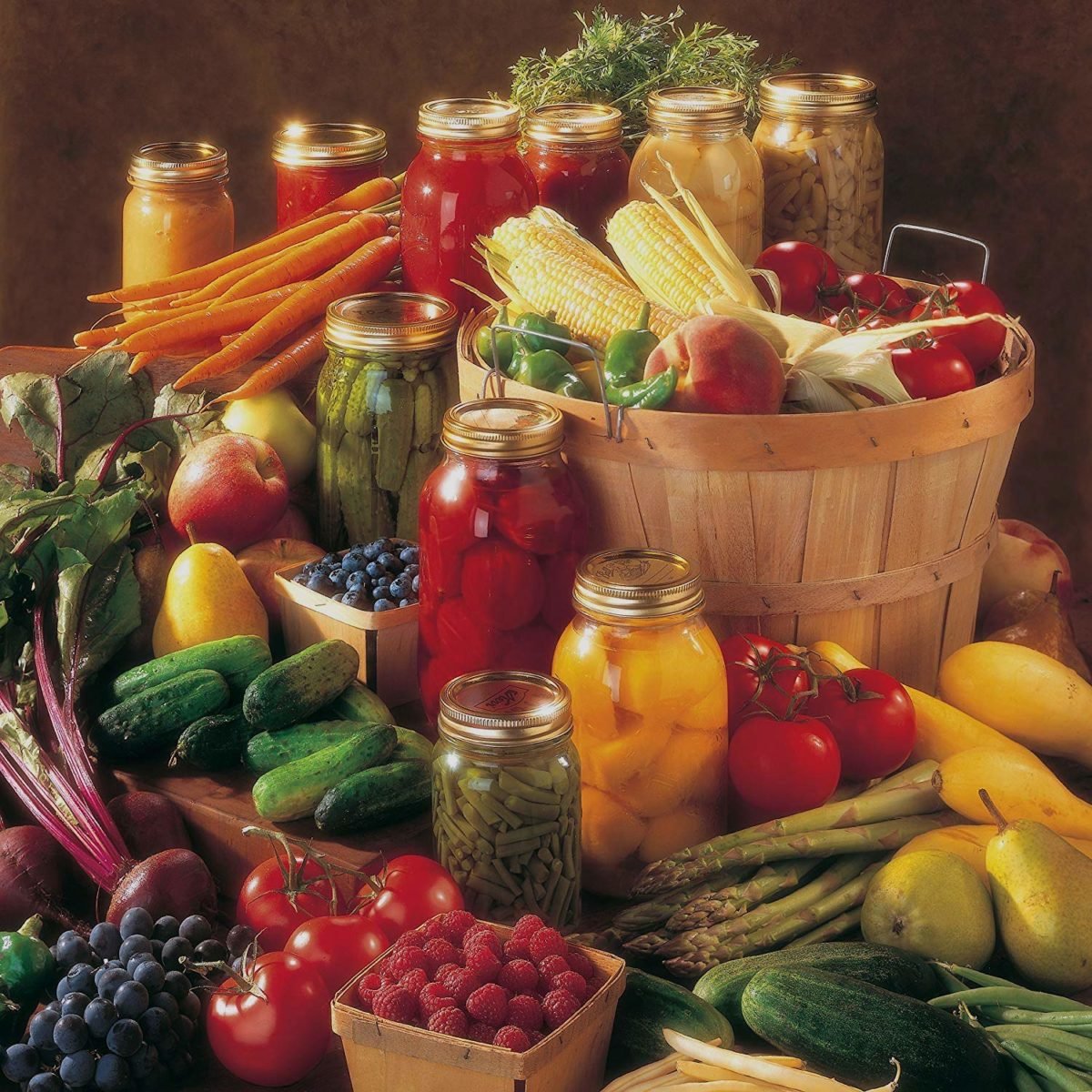
If you’re a prepper, you’ll probably want to skip this post as none of this will be new information for you. I’m posting more for those that have not been into putting food up for emergencies.
The global supply chain is breaking down. Sri Lanka is in turmoil – with most eating only one meal per day consisting primarily of pumpkin and rice. The Netherlands are a mess with farmers protesting the latest climate change laws that will effectively put them out of business. With the U.S. formerly a major exporter of food, we are now a major importer. Add to that the unusual number of food processing plants that have ‘caught’ on fire, thousands of cattle dying of ‘heat stroke’ (all at once?), and thousands of chickens culled for bird flu, we have no reason to believe that we won’t be suffering food supply issues here. So far, 93 of these incidents have occurred here in the good ole U.S.
China and Bill Gates are buying up farmland like no tomorrow. In fact here in CA, China had bought the largest pork processing plant and closed it down. Bill Gates wants us to eat plant-based foods and bugs, (crickets in particular). Per the WEF goals, “meat will no longer be a staple, it will be a treat”, makes all of the latest incidents highly suspicious.

So, with that said…
I’ve done plenty of water bath canning, (for high acid foods), but have always been leery of pressure canning, (for low acid foods). I came across a reliable channel on YT that focuses on all kinds of food storage. There’s a ton of them out there, but this is the only one I have found that actually tests to ensure the results are safe to eat. Look for Rose Red Homestead.
I’d also recommend accessing the USDA website for canning requirements and recipes.
If you’re also leery of pressure canning, there are electric [automated] canners available. The two most highly rated are the Presto Digital Canner and the Nesco Smart Canner. Do your homework to see which one best suits your needs. I chose the Nesco canner as it also functions as both a slow and pressure cooker as well, so its a 3-fer. The canning capacity is less than the Presto, but since I live alone and don’t have a family to feed, I’m good with that. Neither of these are available at Amazon, (sold out), so your best bet is to order directly from the manufacturer’s site.
If you’ve never canned food before, I suggest starting with water bath canning as it is much easier and requires less monitoring. Most fruits are considered high acid, as well as tomatoes. However, tomatoes are on the edge and might require the addition of lemon juice or citric acid to raise the pH levels. To be on the safe side, you can purchase test strips so you are certain of the pH level being high enough.
Vacuum sealing is another popular means of storing food for longer lengths of time. Vacuum sealers can be purchased in most chain department stores like Walmart, and of course, Amazon. You may also want to purchase the jar sealing attachments for storing dry foods in addition to sealing in bags as the bags can get pricey.
That should be enough to get you started. There are other methods used for long-term storage in mylar bags, food grade buckets, etc., that I haven’t covered here. There’s also dehydrating and freeze-drying if you get really into it. Albeit freeze-drying equipment is super expensive, but you can pick up dehydrators at a fairly reasonable price. If, for whatever reasons, fresh vegetables are not available, you can also can frozen veggies. Rose Red has a couple of videos specifically addressing that process, just search her channel.
Good luck and happy canning!